
Cladding remediation: scoping a defensible assessment programme
How independent façade assessment de-risks remediation funding decisions and insurance renewals.
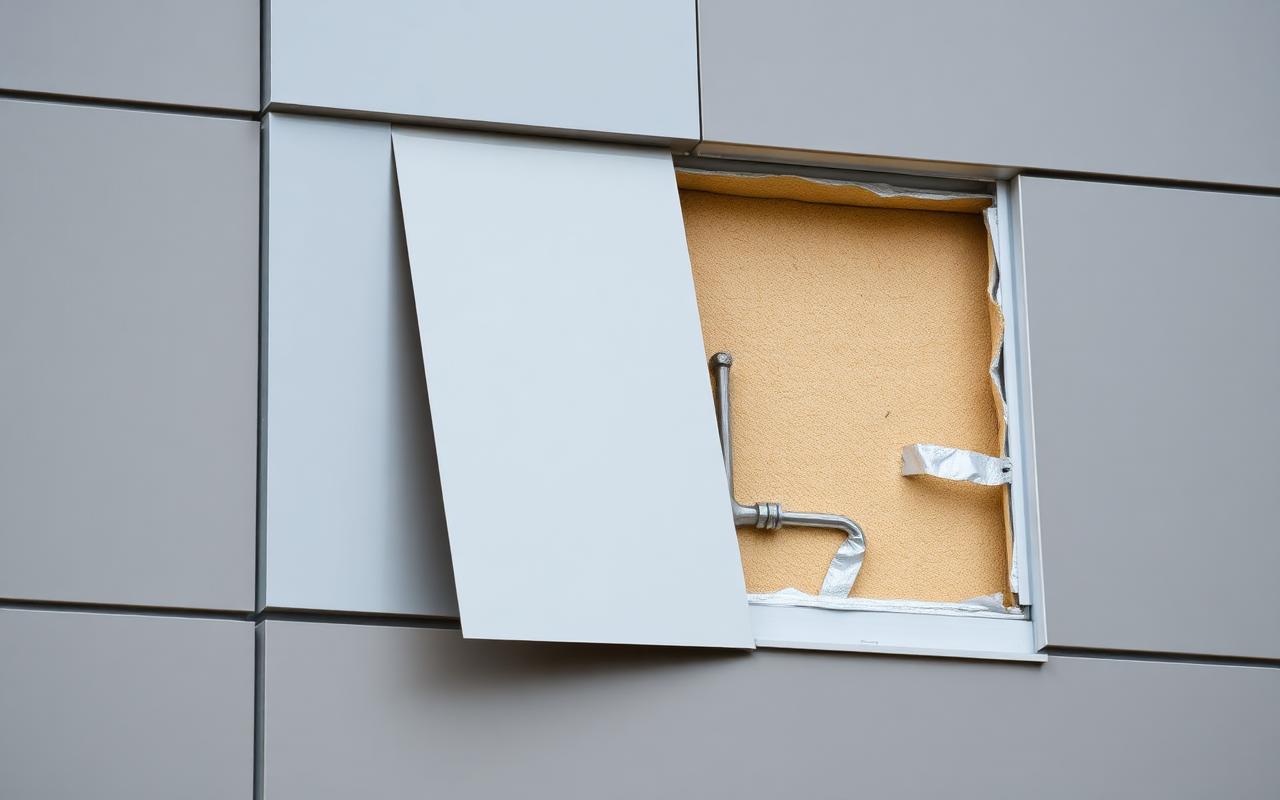
Seven years after the initial cladding audits, the Australian remediation pipeline is still moving, and the assets being worked on now are the harder ones: mixed substrates, partial ACP coverage, heritage interfaces, and buildings where the original design documentation has long since been lost.
A defensible assessment starts with a desktop review: original DA documents, fire engineering reports, façade specifications and any subsequent rectification scopes. Most of the value of an external façade consultant in the first two weeks is finding the documents the owner did not know they had.
From there, intrusive sampling is non-negotiable for any wall system where the external skin cannot be unambiguously identified from drawings. Two or three sample locations per elevation, photographed and recorded with chain of custody, is the minimum an insurer or a state remediation programme will accept.
The output owners actually need is not a 200-page report. It is a risk-rated schedule of wall systems, an opinion on compliance against the National Construction Code in force at the time of construction, and a clear remediation pathway, replace, overclad, or retain with compensating controls. Anything less and the funding conversation stalls.